

What we actually do
Since 2023, we've been running workshops that walk through advertising technique step by step. Not in an abstract way, but with assignments that mirror what you'd face in an actual campaign. Participants work through briefs, develop messaging strategies, test different approaches, and get feedback on what works and what doesn't.
Our instructors have spent years working on campaigns across different industries. They know which techniques translate from textbook to execution and which ones sound good but fall flat in practice. The curriculum comes from that experience, refined each session based on what participants struggle with most.
We designed the platform for remote access because advertising skills shouldn't be limited by geography. Learners from different regions bring different perspectives on messaging and audience psychology, which makes the collaborative exercises more useful. You see how the same product might require completely different approaches depending on cultural context.
The workshops aren't about inspiration or creativity hacks. They're about developing judgment for what message fits which situation, how to structure a campaign timeline, when to pivot your approach based on early response, and how to evaluate whether your technique is actually working or just seems clever. Those are the skills that matter when you're responsible for results.
How we structure learning
Assignment-based progression
Each workshop module centers on a specific advertising challenge. You work through it using the techniques covered, get feedback, then move to the next level of complexity. Theory gets introduced when it's directly relevant to solving the problem in front of you.
Real campaign analysis
We dissect campaigns that succeeded and campaigns that failed. Not to celebrate or mock them, but to identify which specific technique decisions contributed to the outcome. You learn to spot patterns in what makes messaging land or miss its mark.
Iterative experimentation
Most workshops include testing phases where you try variations of an approach and measure which performs better. You develop a sense for when to stick with a technique and when to try something different, based on actual response data rather than gut feeling.
Collaborative review
Small group sessions where participants critique each other's campaign strategies. You learn to articulate why a particular technique fits the brief and defend your choices against reasonable alternatives. That back-and-forth sharpens decision-making more than solo work.
Who runs the workshops
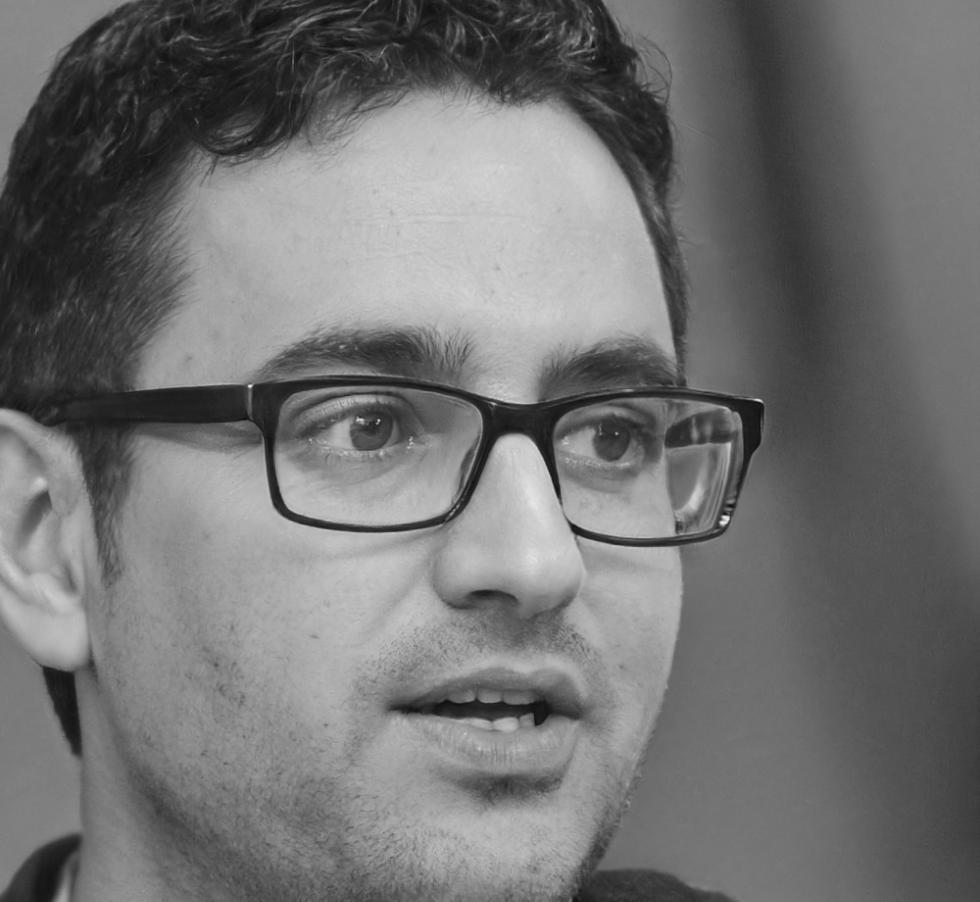
Fredrik Dahlberg
Lead Workshop Instructor
Fredrik spent twelve years running campaigns for consumer brands before switching to education. He focuses on teaching audience segmentation and message testing because those are the areas where he saw most campaigns go wrong in practice.
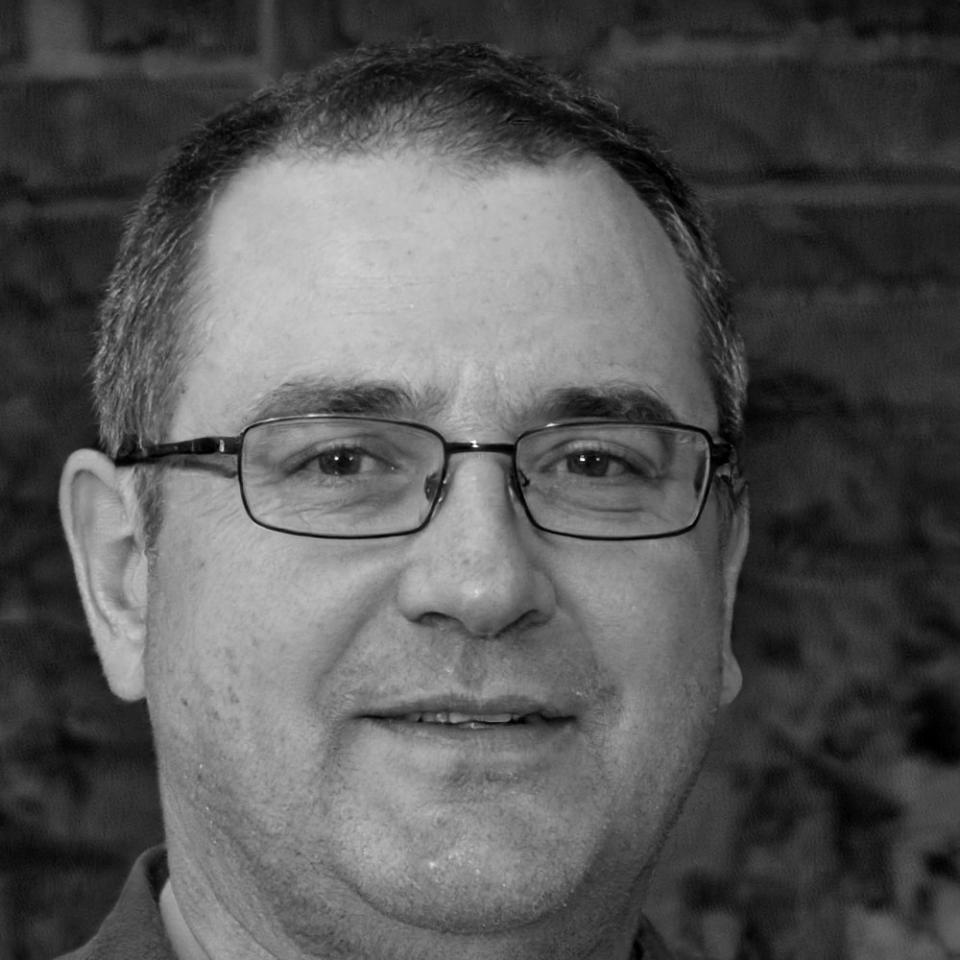
Ivan Kozlov
Curriculum Development Specialist
Ivan designs the workshop assignments and structures progression paths. His background in behavioral psychology informs how we sequence techniques so participants build skills in a logical order rather than jumping randomly between concepts.
Workshop flow in practice

Step 1
Brief analysis session
You receive a campaign brief similar to what an agency might get. The group breaks down the target audience, identifies the core message challenge, and discusses which advertising techniques might be appropriate. This sets up the framework for the work ahead.

Step 2
Technique application
Working individually or in pairs, you develop a campaign strategy using specific techniques covered in that module. The assignment includes constraints like budget, timeline, and channel limitations to make it realistic. You document your rationale for each decision.

Step 3
Review and refinement
The instructor and peers review your work, focusing on whether your technique choices match the brief requirements. You get specific feedback on what's working and what needs adjustment. Then you iterate, applying that feedback to strengthen the approach before the next module.